
The Hidden Cost of Waiting
The problems you are tolerating today are quietly becoming the crises you will face tomorrow. One question changes everything.
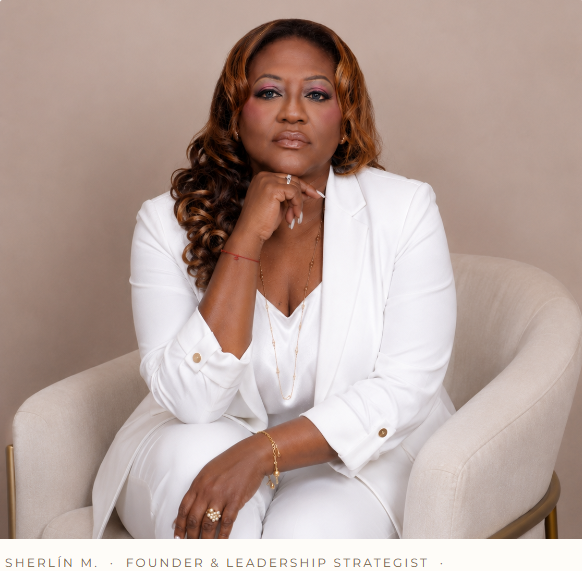
Sherlín M., MBA, FCLRP
August 1, 2026 · 6 min read
Most organizational challenges don't appear overnight. They develop quietly, through delayed decisions, inconsistent leadership, and processes that no longer support the business. By the time they surface as a visible problem, they have already been growing for months. Sometimes years.
I have seen it in healthcare systems, public sector organizations, and growing businesses across every industry I have served. The warning signs were always there. Someone noticed. Someone even mentioned it. But no one made a decision. And the cost of that inaction compounded quietly, in the background, until it couldn't be ignored anymore.
THE QUESTION THAT CHANGES EVERYTHING
"What problem are we tolerating today that will cost us more six months from now?"
That single question, asked honestly and answered truthfully, can uncover hidden risks, sharpen accountability, and spark the kind of meaningful conversations that leaders often delay until they have no other choice.
I encourage every leader I work with to ask it. Not in a performance review. Not during a crisis. Before the crisis. Because transformation doesn't always begin with a major initiative. More often, it starts with one honest conversation and one intentional decision.
THE STATE OF THE WORKFORCE IN 2026
Organizations struggling to recruit qualified people: 7 in 10
Business leaders say their people, processes, and systems don't work effectively: 62%
Average employee tenure today, the lowest recorded since 2002: 3.9 yrs
Sources: SHRM, Workday Global Workforce Report, U.S. Bureau of Labor Statistics, 2025-2026
Why Smart Leaders Let Problems Sit Too Long
In my 25+ years of partnering with organizations through their most complex workforce challenges, I have learned something that surprised me early in my career: most leaders already know what the problem is. They can feel it. They can name it if you ask directly.
What they struggle with is not the diagnosis. It is the decision to act.
There are real reasons for that hesitation. The business is moving fast. There are more urgent fires to fight. The problem isn't bad enough yet to justify a difficult conversation. And if we are honest, sometimes leaders are uncertain what action to take, so they take none.
But here is what I know to be true: Inaction is also a decision. And it is often the most expensive one a leader makes.
Every month a workforce problem goes unaddressed, the cost of resolution increases. Legal exposure grows. Leadership credibility erodes. And the culture you are quietly building, whether you intend to or not, becomes harder to correct. - Sherlín M.
Four Questions to Ask Before Next Quarter Ends
If this perspective resonates, if you are reading this and thinking about a problem you have been tolerating, I want to leave you with something practical. Four questions. Ask them in your next leadership meeting. The answers will tell you exactly where to focus.
1. What problem are we tolerating today that will cost us more six months from now?
This is the foundational question. Name it out loud. Write it down. The moment it is spoken, it becomes something you can actually address.
2. Where is our greatest workforce risk right now, and do we have a plan for it?
Talent retention. Manager inconsistency. Compliance gaps. Undocumented decisions. Most organizations have at least one area of significant exposure they have not formally addressed.
3. Are our managers equipped to lead, or just manage?
There is a difference. Managing is a function. Leading is a discipline. If your managers have not been trained in how to have difficult conversations, document performance, or handle employee concerns, your organization carries that risk every single day.
4. When did we last look at our HR infrastructure with fresh eyes?
Handbooks go stale. Policies drift from practice. Systems that worked at 10 employees create risk at 50. A fresh compliance review is not an admission of failure; it is an act of leadership.
It only takes one honest conversation and one intentional decision to stop waiting.
SHERLINE MANZO · FOUNDER, SHERLÍN M.
Leadership Strategy # Workforce Risk # Employee Relations